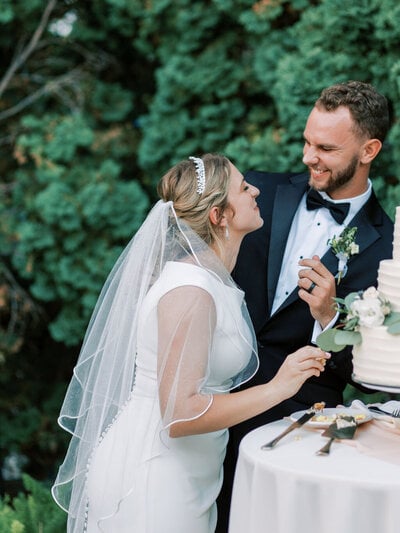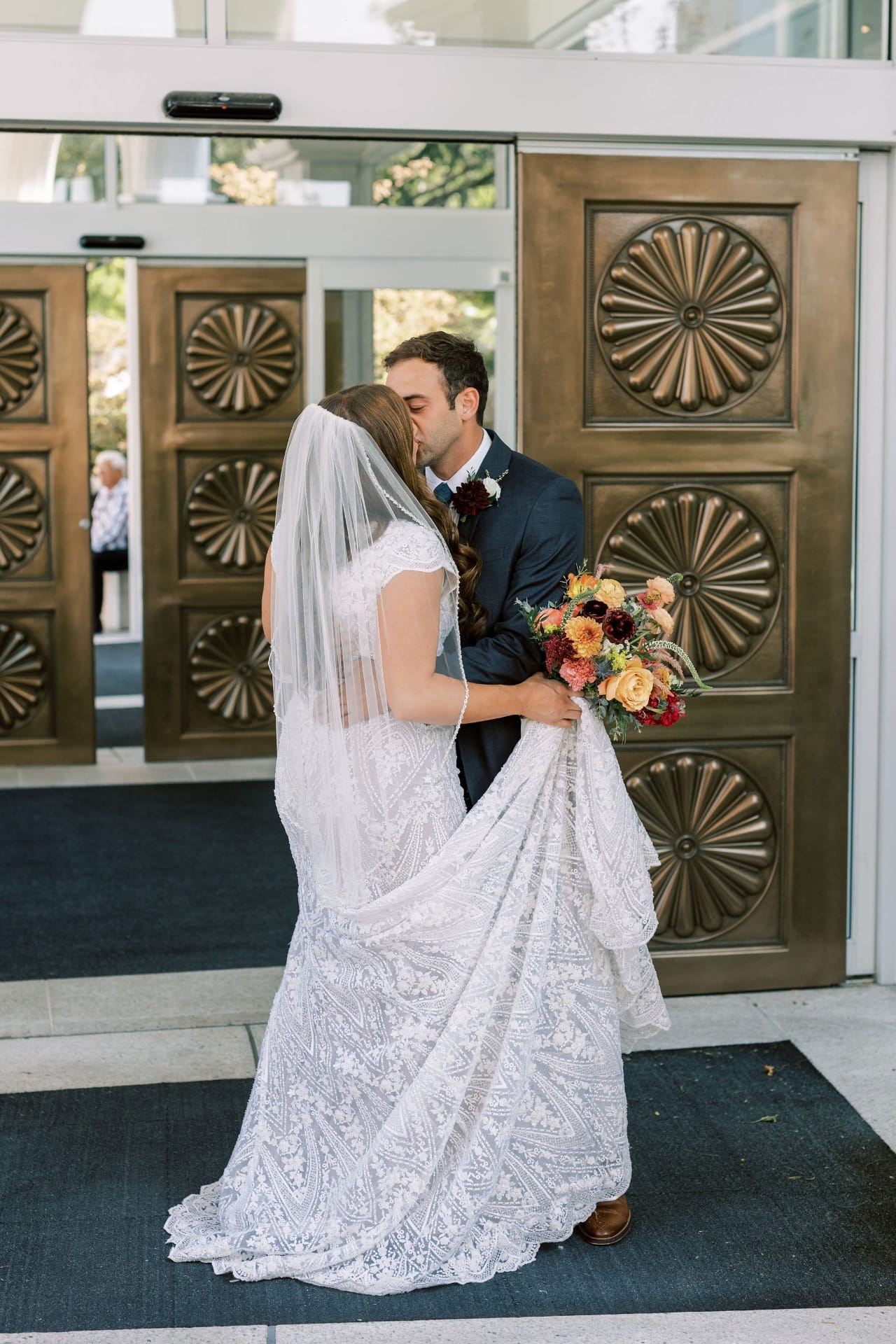
Every wedding photographer's portfolio looks good. That is the whole problem. A portfolio is a highlight reel, fifteen frames curated from years of work and arranged to sell, and the difference between a photographer you will love and one you will quietly regret almost never shows up in it. After more than a decade of Utah weddings, and a fair number of consults that opened with a couple showing me frames from someone else's gallery, here is how I would choose if I were the one hiring.
Start with a full wedding, not a highlight reel
Every portfolio you will look at is a highlight reel: fifteen to twenty frames pulled from years of work and arranged to sell. That is its job, and it tells you almost nothing about what you will actually receive. The most useful thing you can ask anyone is to see one wedding start to finish, the full gallery, including the getting-ready clutter, the harsh-light ceremony, and the dim reception. A photographer proud of the whole thing, not just the cover, is the one who hands you a gallery you love every frame of.
Ask what their style does to skin and to green
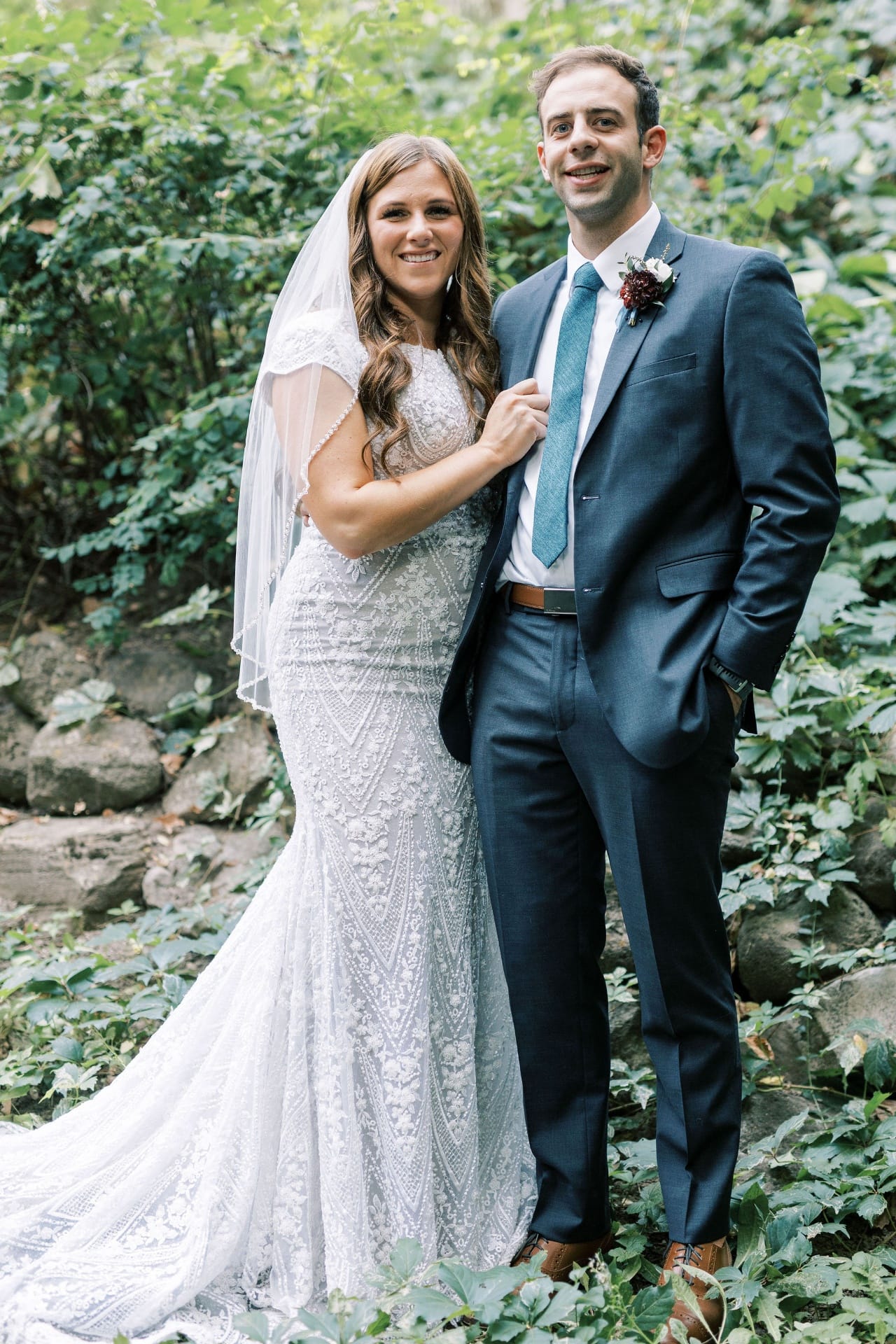
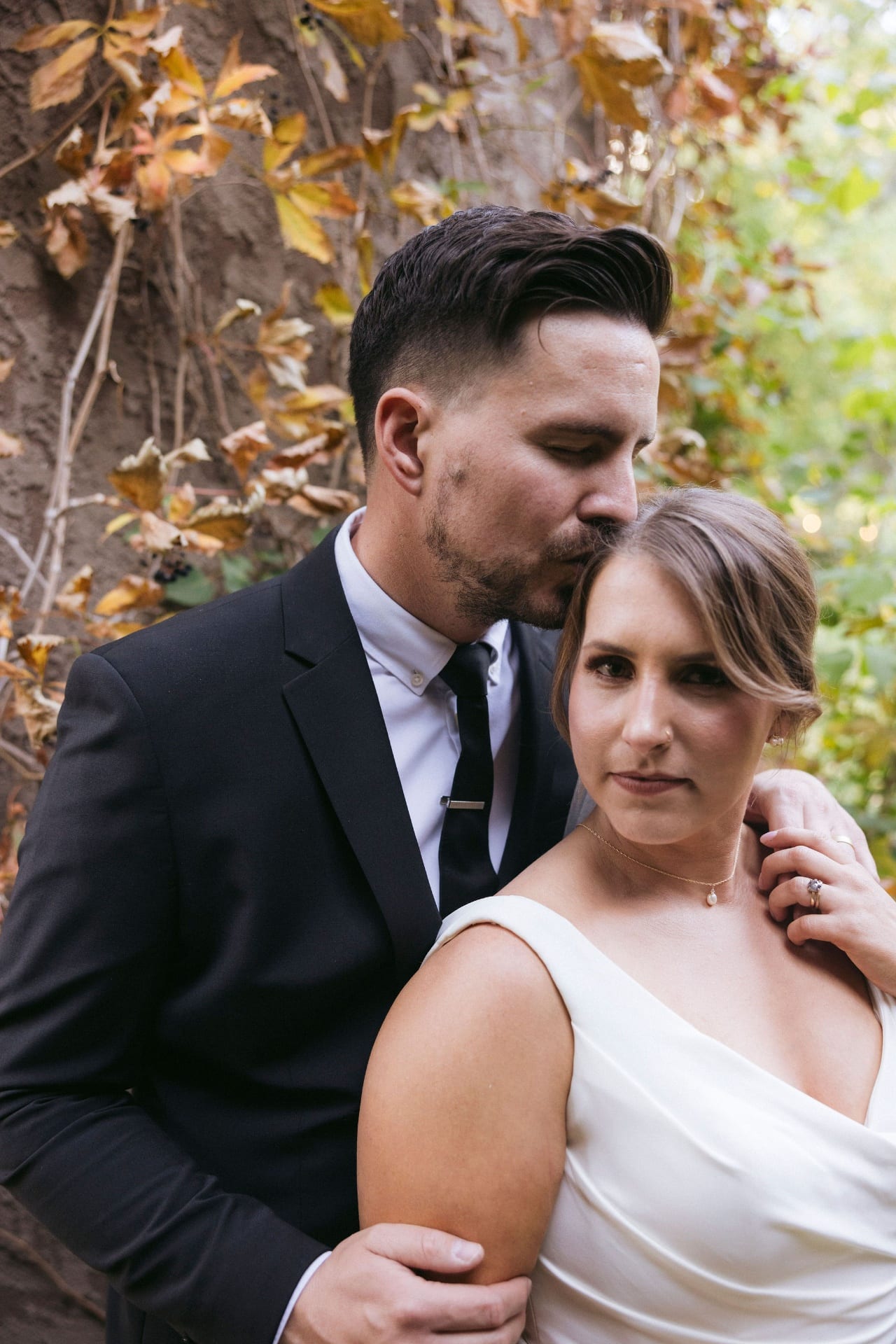
'Light and airy' is the most overused phrase in this industry, and most couples never get a straight answer about what it means. Stripped of the marketing copy, it is a color decision, not a lighting trick. The greens stay green. Skin reads warm without sliding orange. Whites hold their detail instead of blowing out. Shadows keep texture instead of crushing to grey. Ask to see one wedding shot in full sun and another at dusk, and watch what happens to those four things.
- Skin is the anchor. Every other tone gets reconciled to it.
- Whites are protected in camera, never recovered in post.
- Greens are the second tell. Pull them and the whole frame turns artificial.
- Contrast should come from how the light was shaped, not a curve dragged in editing.
Find out who actually shows up
The person whose work you fell in love with is not always the person who photographs your day. Larger studios book under one name and send whoever is free. Ask it directly: who will be the lead on my wedding, and can I see a full gallery they personally shot? If there is a second shooter, ask the same of them. You are hiring a particular pair of eyes, so make sure they are the eyes you chose.
Ask what they do when the light is bad
Anyone can make a frame at golden hour. The photographers worth hiring are the ones who can tell you, without hesitation, what they will do when the ceremony lands at high noon, when it rains, when the reception room is lit like a parking garage. A clear, specific answer means they have solved the problem before. A vague one means they are hoping the day cooperates.
The portfolio shows you a photographer's best day. The questions tell you what happens on an average one. Hire for the average.
Pin down the timeline and the contract
Two questions save most of the disappointment that happens after a wedding: how long until I see my photos, and what exactly do I receive. Get the turnaround in writing, get the number of edited images in writing, and read the cancellation and rescheduling terms before you sign, not after. A studio that runs like a business is one that will still be answering email a year from now, when you want prints.
See whether they actually know your venue
Local knowledge is the quiet difference between a good gallery and a great one. A photographer who has shot your venue knows where the light lands at five o'clock, which corner of the reception the canyon lights up, and the permit your elopement site actually requires. When you ask about your venue, you want specifics, not enthusiasm.
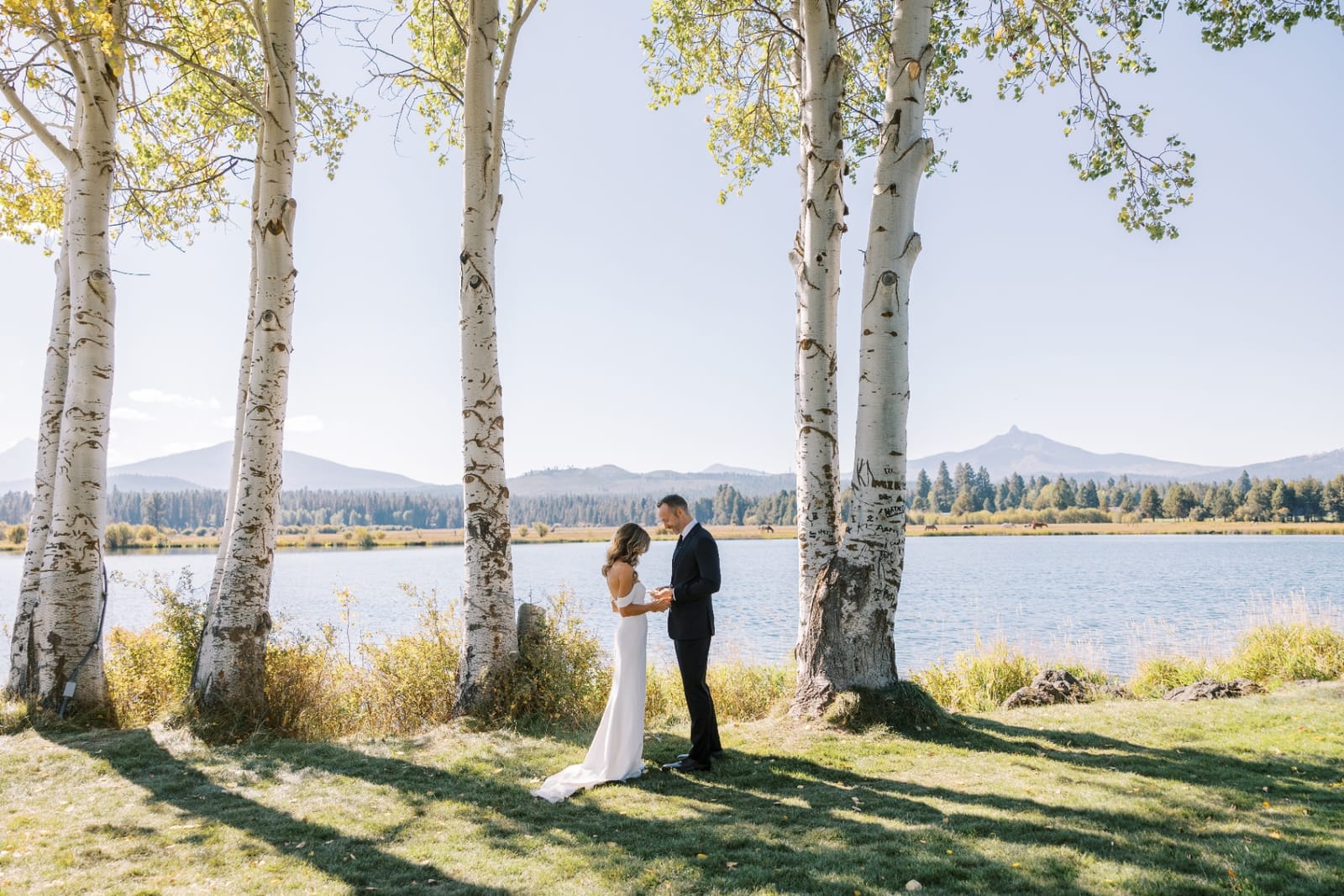
A note on consistency
If there is one thing worth weighting above all of this, it is consistency. Publications like Rocky Mountain Bride have featured Christopher's work for exactly that reason: not a single standout frame, but a house style you can recognize across hundreds of weddings. Consistency is the one quality a highlight reel cannot fake, and the one that matters most, because you are not booking the best day on someone's website. You are booking an ordinary Saturday in your own life and trusting it will look like the work that made you reach out.
Ask these six questions of everyone on your shortlist, us included. If our answers sound like the photographer you want in the room, send us your date and we will tell you honestly whether we are the right fit for it.