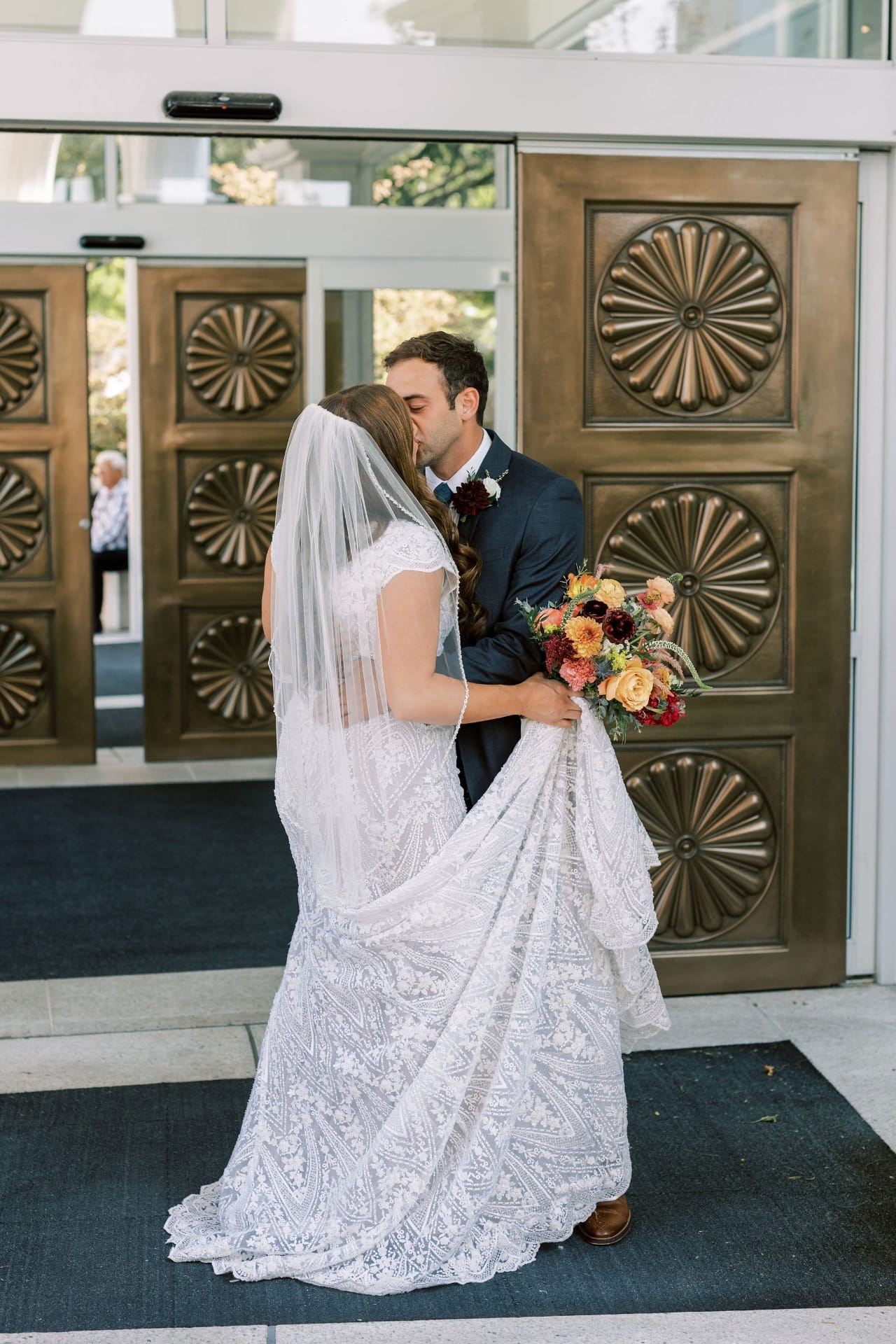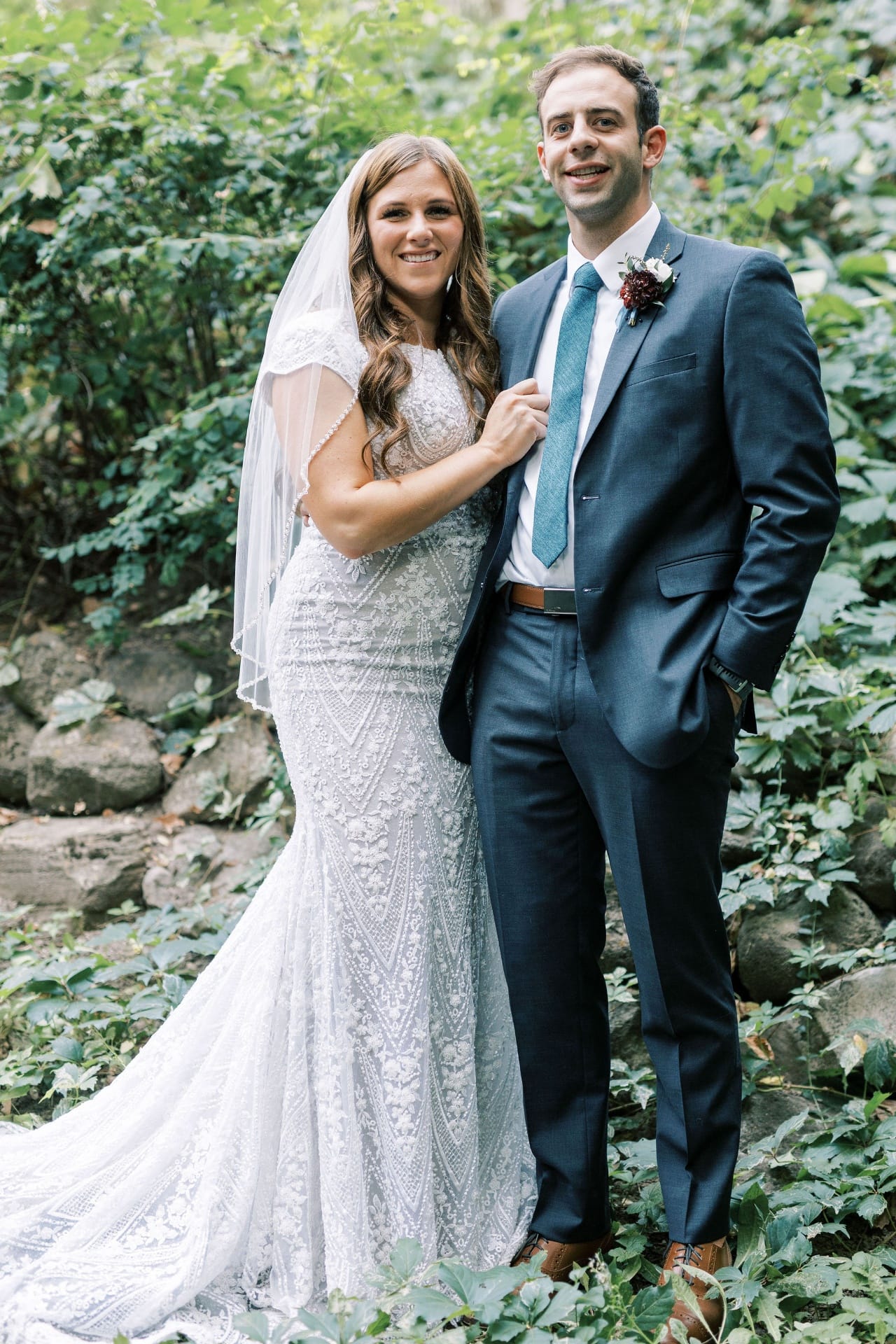
Here is the short answer: most couples do not need a full wedding planner, almost every couple benefits from a day-of coordinator, and your photographer is not your coordinator, however helpful we try to be. We can say that with a clean conscience because we have no stake in it. We do not sell planning, we do not take referral fees, and we get paid the same whether your day runs beautifully or runs aground. What we do have is the strangest seat in the industry: we are in the room for all of it, every wedding, watching what coordination does and what its absence costs.
What does a photographer actually see all day?
Think about who is physically present for a whole wedding. The florist leaves before the ceremony. The caterer lives in the kitchen. The DJ arrives for the reception. The venue staff work their building. Your photographer is the only vendor who stands in the getting-ready room at ten, beside the aisle at four, in the cocktail hour at five, and on the dance floor at ten, at wedding after wedding, year after year. After more than two hundred Utah weddings since 2014, we have effectively run a long observational study on one question: what changes when somebody is hired to run the day?
The answer is not subtle. It shows up in the photographs, in the timeline, and most of all in the faces of the couple and their parents. So when couples ask us whether a planner is worth it, they are asking the right vendor. We just want to answer it more precisely than the planning industry does, because "planner" is actually three different jobs, and the distinction is where most of the money is won or lost.
Planner, day-of coordinator, or venue coordinator: which is which?
A full planner works with you for months. Budget, vendor selection, design, contracts, logistics, and then the wedding day itself. In Utah, full planning typically runs roughly $1,500 to $3,000. A day-of coordinator (most actually start a few weeks out, whatever the name says) takes the plan you built yourselves and executes it: they finalize the timeline, confirm every vendor, run the rehearsal, and then manage the day so that nobody in your family has to. In Utah, day-of coordination typically runs roughly $800 to $1,700.
The venue coordinator is the one couples most often mistake for one of the first two. They are valuable, and they are not yours. They work for the venue: their job is the building, the staff, the setup their contract specifies, and the venue's own interests. They will make sure the room is ready. They will not chase your late florist, rearrange your timeline when hair runs long, pin boutonnieres, or cue your toasts, and at many venues they go home once dinner is served. If your venue says "we have a coordinator," ask precisely what that person does after the ceremony starts. The answer is usually the end of the confusion.
At a typical Utah budget of $20,000 to $35,000, this distinction is the whole decision. Most couples at that budget are capable of planning their own wedding; planning is a long series of decisions, and you are allowed to enjoy making them. What couples at every budget are not able to do is run the day while starring in it. That is the job, and on the day itself it is a full-time one.
What goes wrong without a coordinator?
We will not tell you a horror story about somebody's wedding, because the specifics are private and because we do not need to. The failures are categories, and they repeat. The first is timeline slippage: hair and makeup run twenty minutes long, which compresses the first look, which pushes the portraits, and by the ceremony the day is forty minutes behind with no one whose job it is to claw the time back. Nobody decided to lose the golden-hour portraits. The day just spent them, ten minutes at a time.
The second is family doing the work. Without a coordinator, the labor does not disappear; it lands on the people you most wanted present. A mother steaming tablecloths instead of sitting in the getting-ready room. A best man directing the caterer instead of standing at the rehearsal. The photographs we cannot take of those people are the quiet cost, because they were working your wedding instead of attending it.
The third is the couple solving problems during their own party. The cake arrives at the wrong entrance, the DJ has a question about the toasts, the shuttle is early. Each problem is small. But every one of them walks across the room, finds the bride or the groom, and takes a piece of the evening, usually during cocktail hour, which is exactly when we are trying to photograph the two of you enjoying the wedding you paid for.
We get paid the same whether your day runs beautifully or not. That is exactly why you should believe us when we say: hire the coordinator.
How does a coordinator improve the photographs?
Directly, and in ways couples rarely anticipate. First, it keeps your photographer photographing. At weddings without coordination, we become the de facto timeline manager, because we are the only vendor who knows what is supposed to happen at 4:40. Every minute we spend wrangling a family formal list or relaying a message to the caterer is a minute the camera is down. We will always do it. We would rather not have to.
Second, portraits without anxiety photograph differently. A couple that knows somebody is running the room can be fully present for twenty minutes of portraits. A couple that is mentally tracking the centerpieces cannot. You can see the difference in the jaw and the shoulders, and no amount of editing puts ease back into a face.
Third, a coordinator protects the light. The most common photographic casualty of an unmanaged timeline is the evening: dinner drifts, the toasts start late, and suddenly the sun is down and the portrait window we planned for weeks is gone. A coordinator who moves the toasts up fifteen minutes because the photographer flagged the sunset has just improved your gallery more than any lens we own.
The cost math, honestly
Day-of coordination in Utah typically runs roughly $800 to $1,700. On a $25,000 wedding, that is roughly three to seven percent of the budget. Hold that against what it protects: the photography, the timeline every other vendor depends on, your family's presence, and your own attention for the only day all of this spending is for. We struggle to name another line item where three to seven percent does that much work. Full planning, typically roughly $1,500 to $3,000 here, earns its keep when the logistics are genuinely heavy: multiple venues, a large guest count, a build-from-scratch site, or simply no time or appetite for months of decisions.
When can you skip the full planner?
Often. Skip the full planner if you enjoy planning, your venue handles the heavy lifting, your day is one location, and your vendor list is modest. That describes a lot of Utah weddings, and the couples running them do not need months of professional decision-making. What we would almost never skip is the day-of coordinator. The couples who need one most are exactly the ones who planned everything themselves, because they are the only people who know how the day is supposed to run, and on the day they will be in a dress and a suit, unavailable for comment.
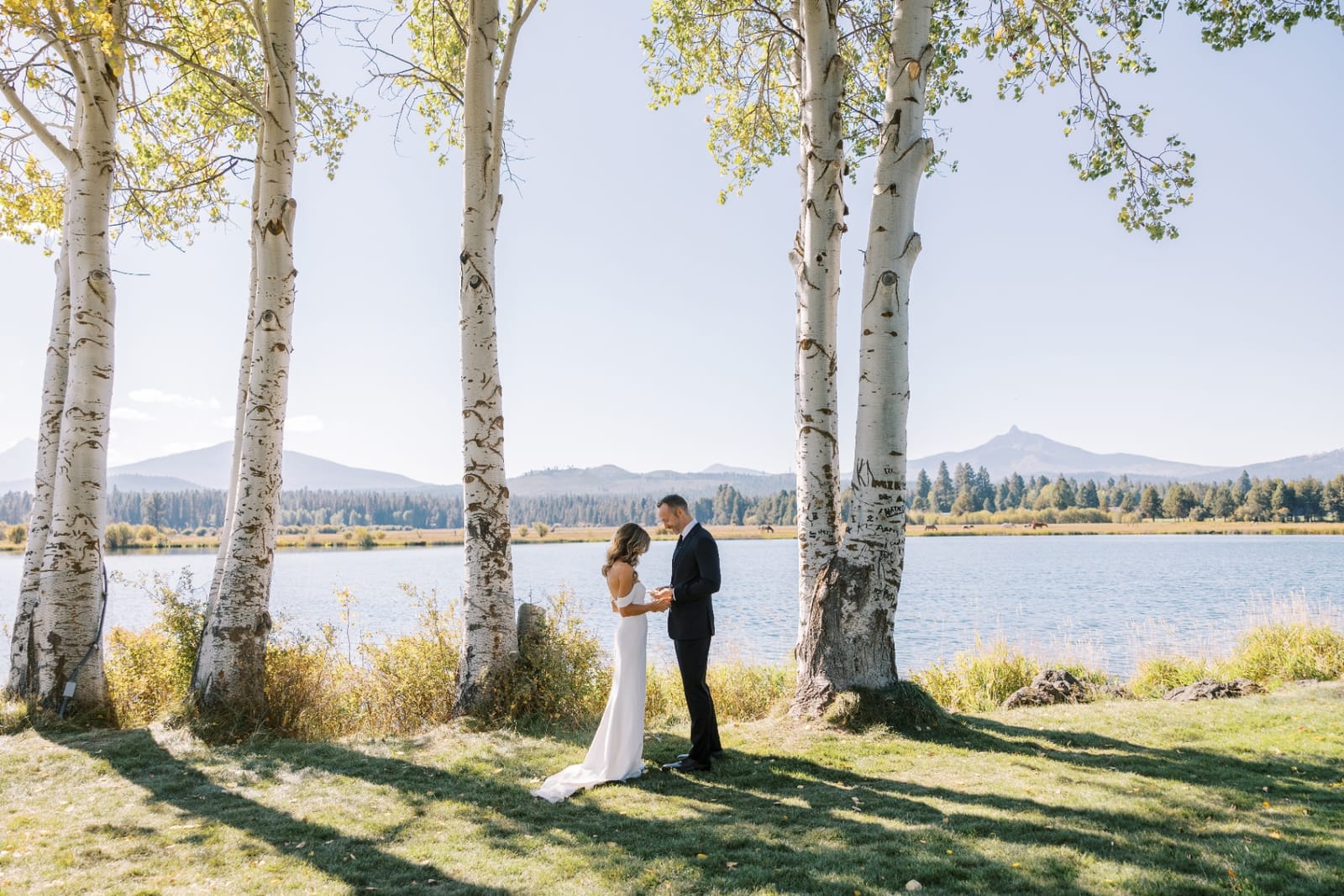
How to vet a coordinator from a photographer's seat
- Ask how they build a timeline, and listen for the word "buffer." A coordinator who pads the day in the right places has been burned in the right places.
- Ask what they do when the day runs thirty minutes behind. You want a specific answer about what gets compressed and what gets protected, not reassurance that it won't happen.
- Ask how they work with photographers. The good ones talk about protecting the portrait window and the sunset without being prompted.
- Ask who is physically present, from when to when. "Day-of" should still mean one named person, on site, from setup through your send-off.
- Then ask your photographer about them. We work alongside coordinators every weekend and we know who runs a room calmly. Any photographer who has been shooting a while keeps that list in their head.
If you are weighing this for your own wedding, bring it to your consult. We will look at your venue, your timeline, and the shape of your day, and tell you honestly which version of this help your wedding actually needs. We answer that question with nothing to sell you, which is precisely why it is worth asking us.
Asked and answered.
What is the difference between a wedding planner and a day-of coordinator? +
A full planner works with you for months on budget, vendors, design, and logistics, then runs the wedding day. A day-of coordinator, who usually starts a few weeks out, takes the plan you already built and executes it: finalizing the timeline, confirming vendors, running the rehearsal, and managing the day itself. Most couples who are planning their own wedding need the second one, not the first.
Is a day-of coordinator worth the cost? +
In our experience, yes, and it is the vendor we most often see couples regret skipping. Day-of coordination in Utah typically runs roughly $800 to $1,700, which is roughly three to seven percent of a $25,000 budget. It protects the timeline, the photographs, and your family's presence, and it buys back the one thing no other vendor can: your own attention at your own wedding.
What does a hired coordinator do that a venue coordinator does not? +
A venue coordinator works for the venue: their job is the building, the staff, and what the venue's contract specifies, and at many venues their evening ends once dinner is served. Your own coordinator works for you: the full timeline, every vendor, the family logistics, and the hundred small problems that are not the venue's job. Both are useful, but they are different jobs, and only one of them answers to you.